3D Simulation
Validate robot reach, layout, external axes, collision risk and cycle time before equipment manufacturing.
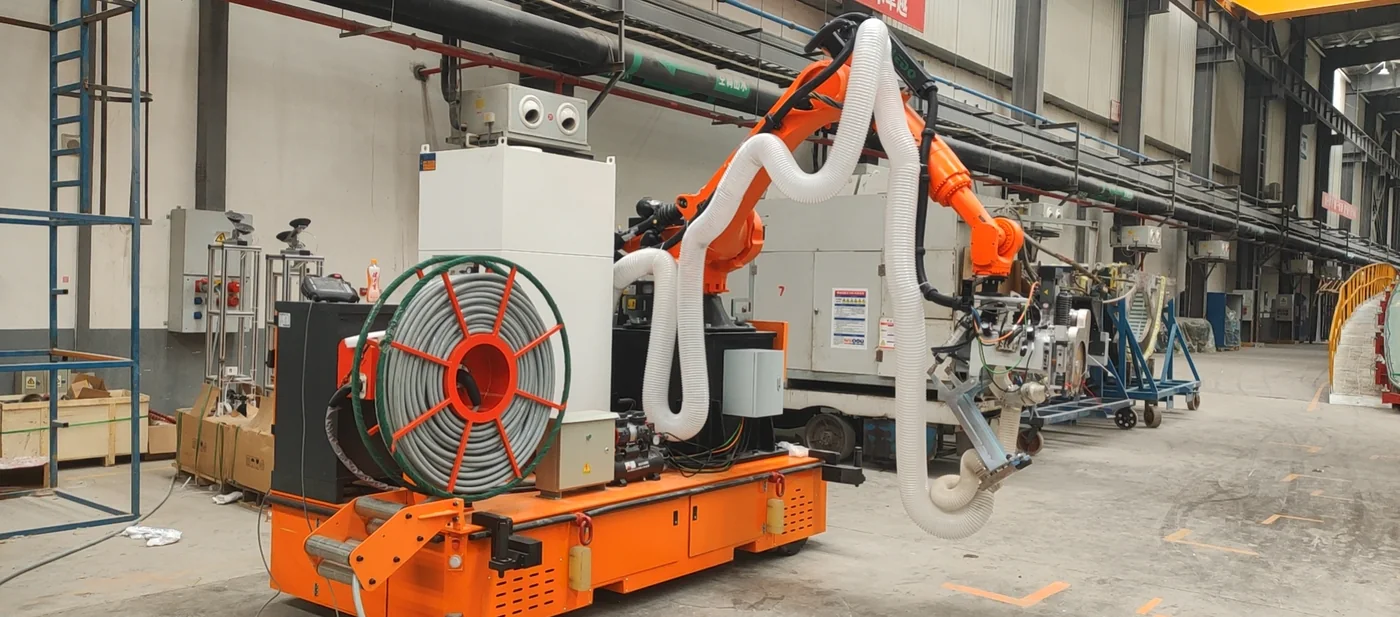
Robot selection is only one part of the work. The stronger value is process validation, sensing, tooling, software and reliable commissioning.
Validate robot reach, layout, external axes, collision risk and cycle time before equipment manufacturing.
Prepare and adjust robot programs from digital models to shorten site debug time and support product variation.
Use cameras and laser sensors to identify workpiece, bolt or weld seam positions and guide robot motion.
Combine power source, torch, seam access, shielding, filler wire and fixture strategy for repeatable weld quality.
Design fixtures, positioners, tracks, turntables and roller frames that expose welds and simplify loading.
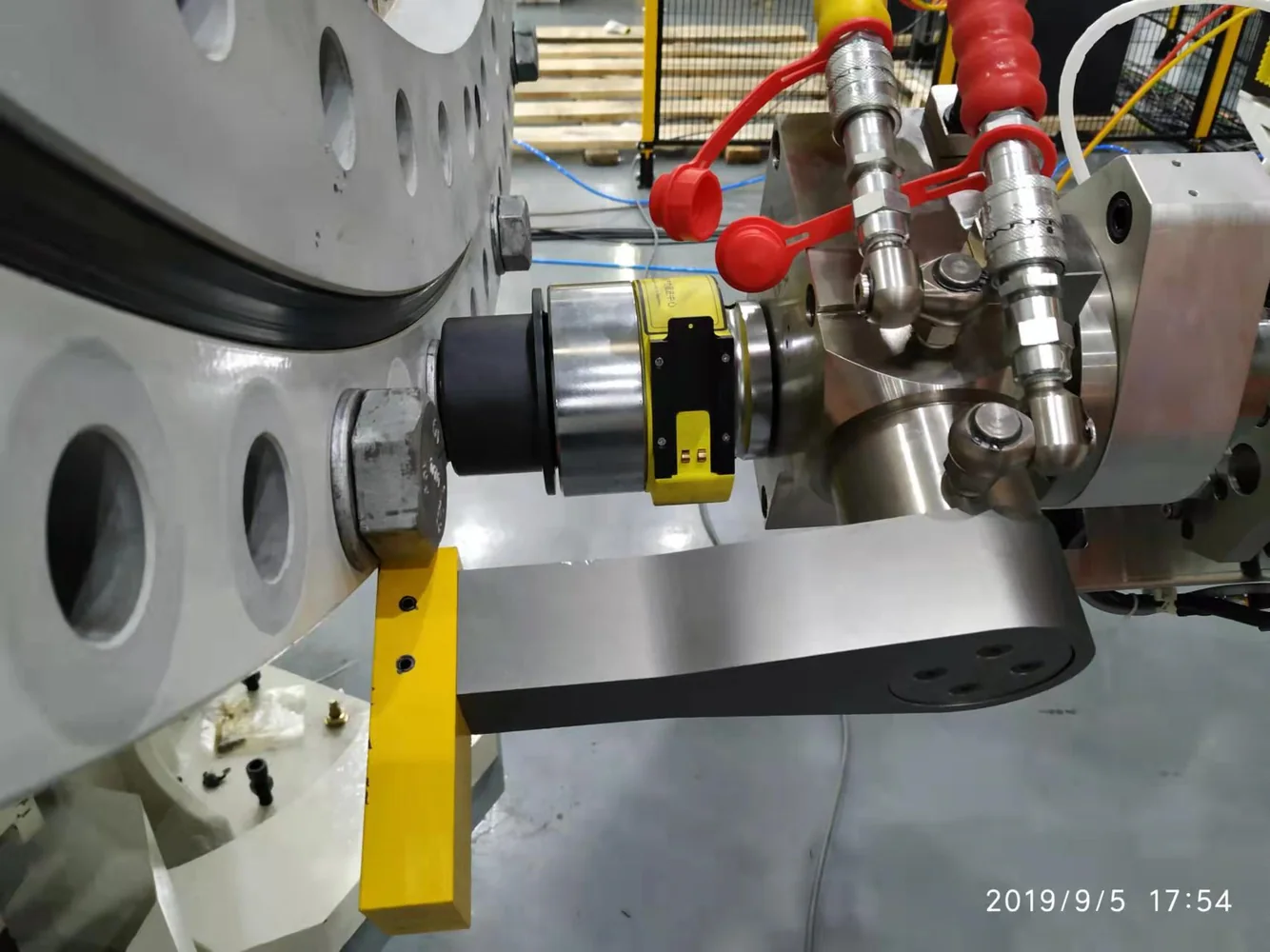
Record torque, alarms, production data, operator actions and equipment status, with third-party communication capability.
Systems can communicate with MES, stereoscopic warehouses, AGVs and upstream or downstream equipment. The goal is a controllable production flow with clear data, alarms and operating records.